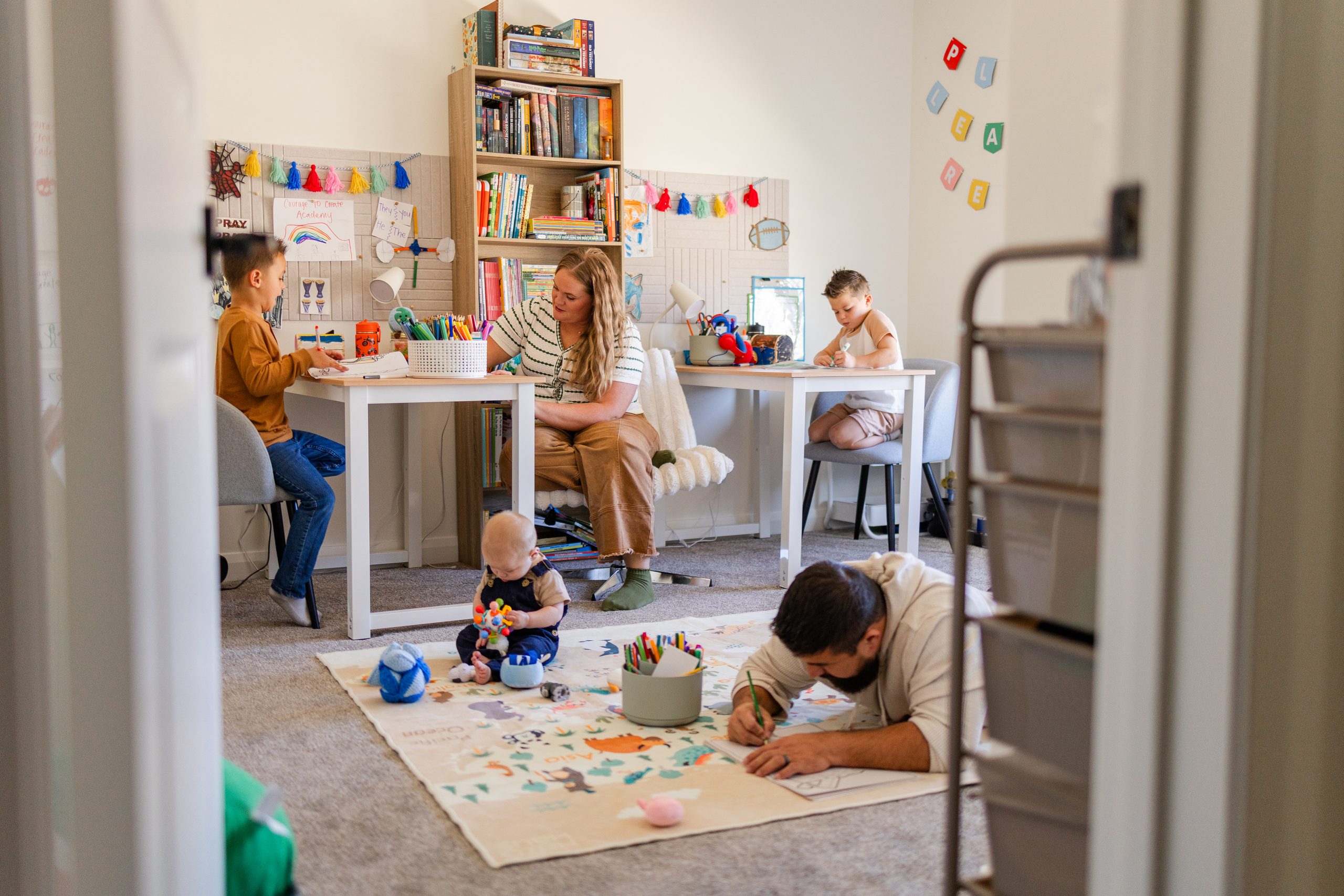
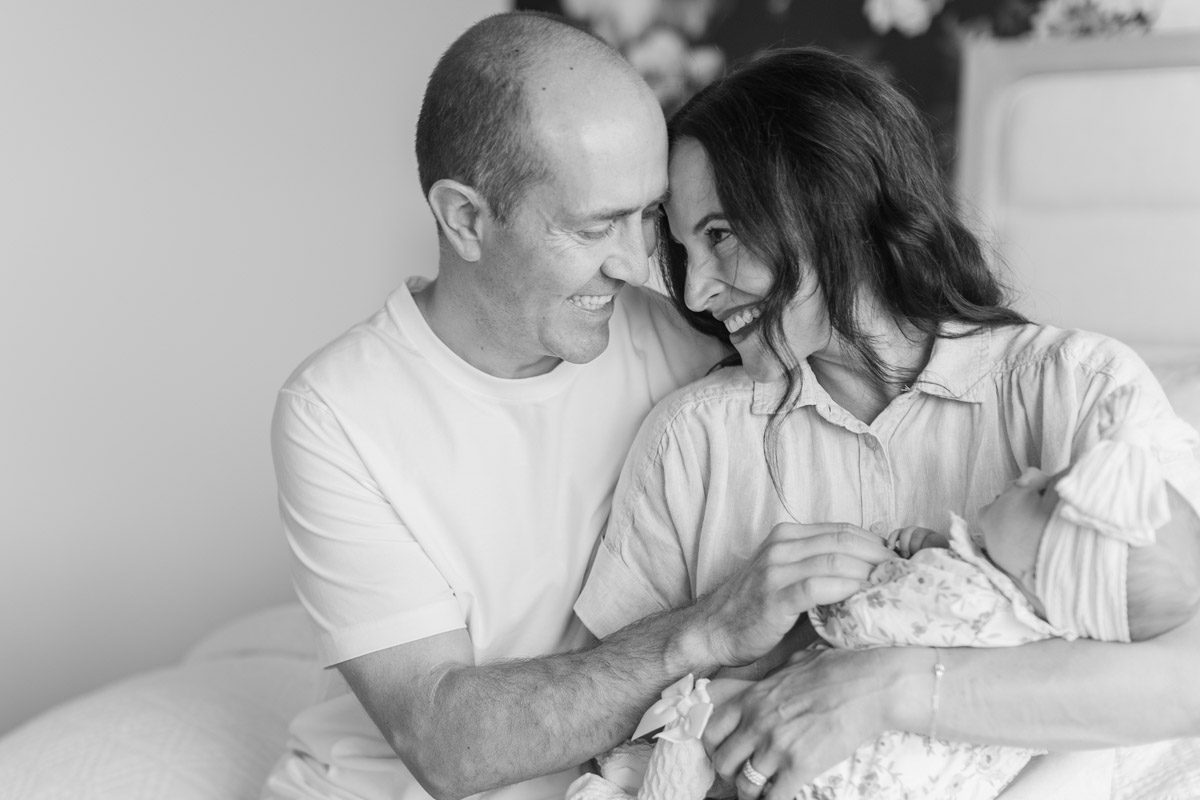
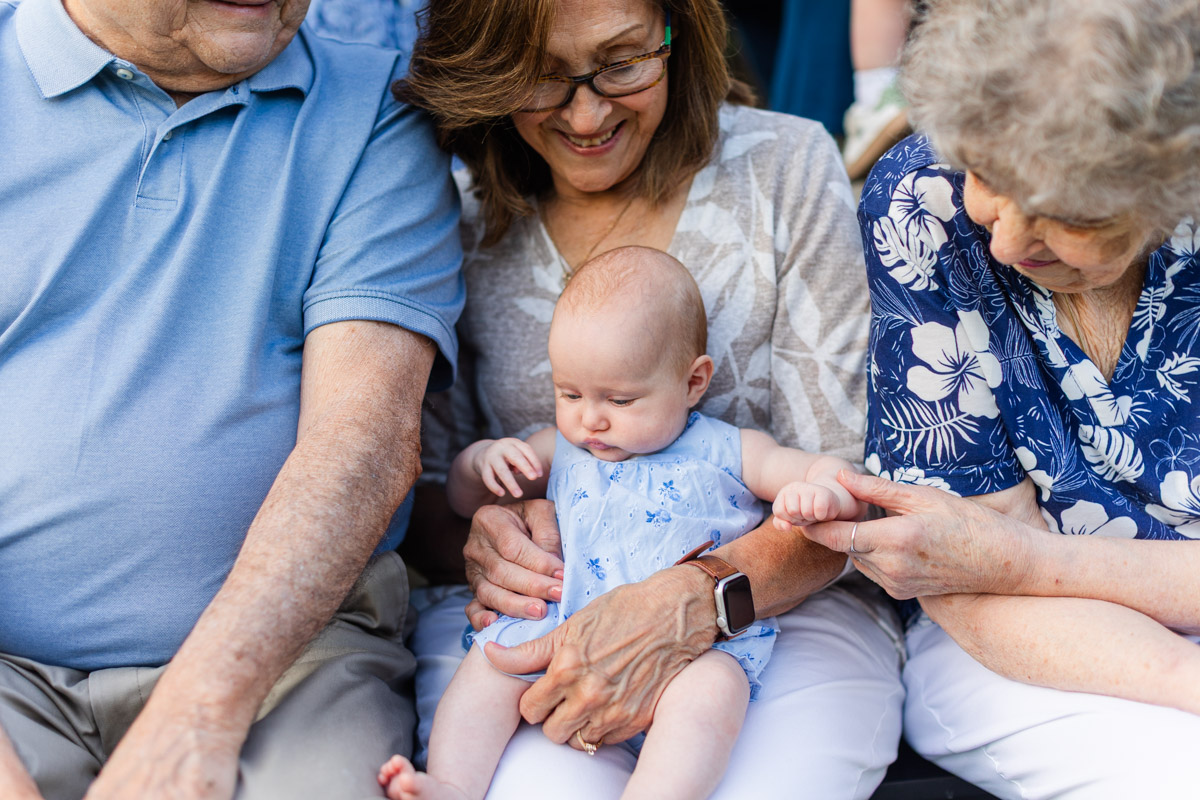
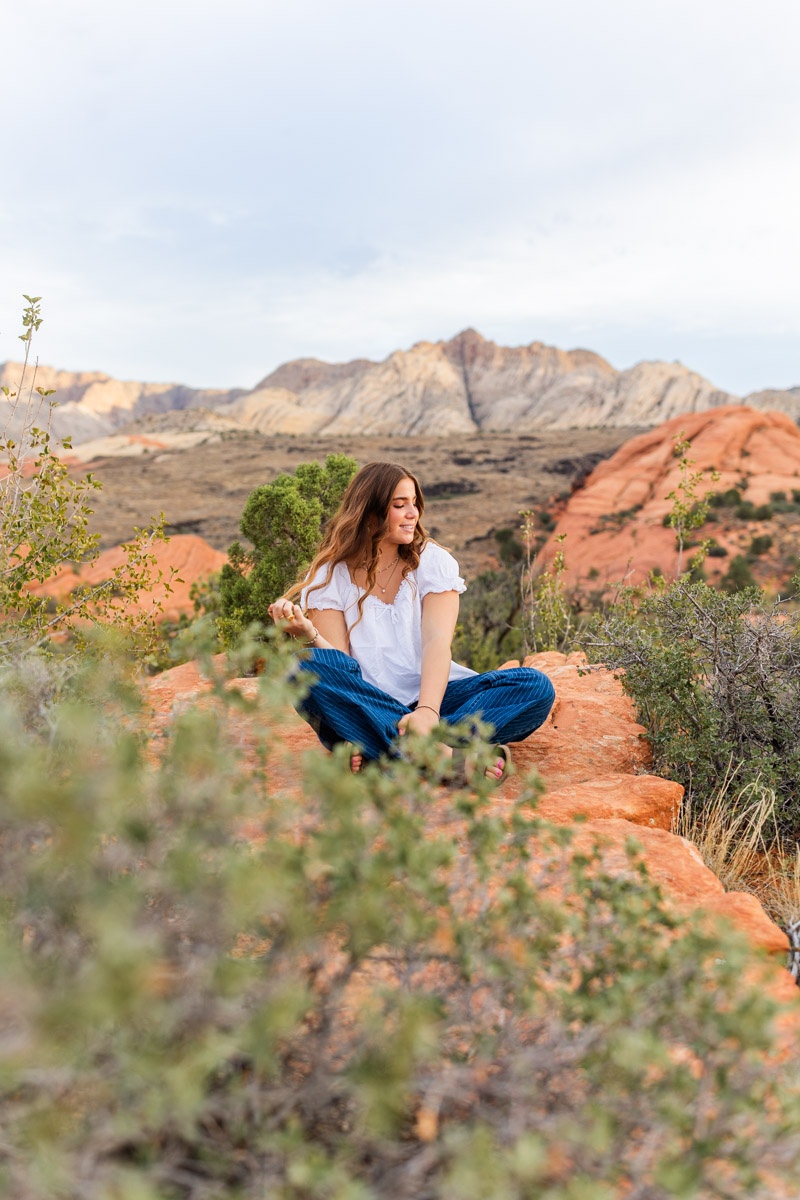
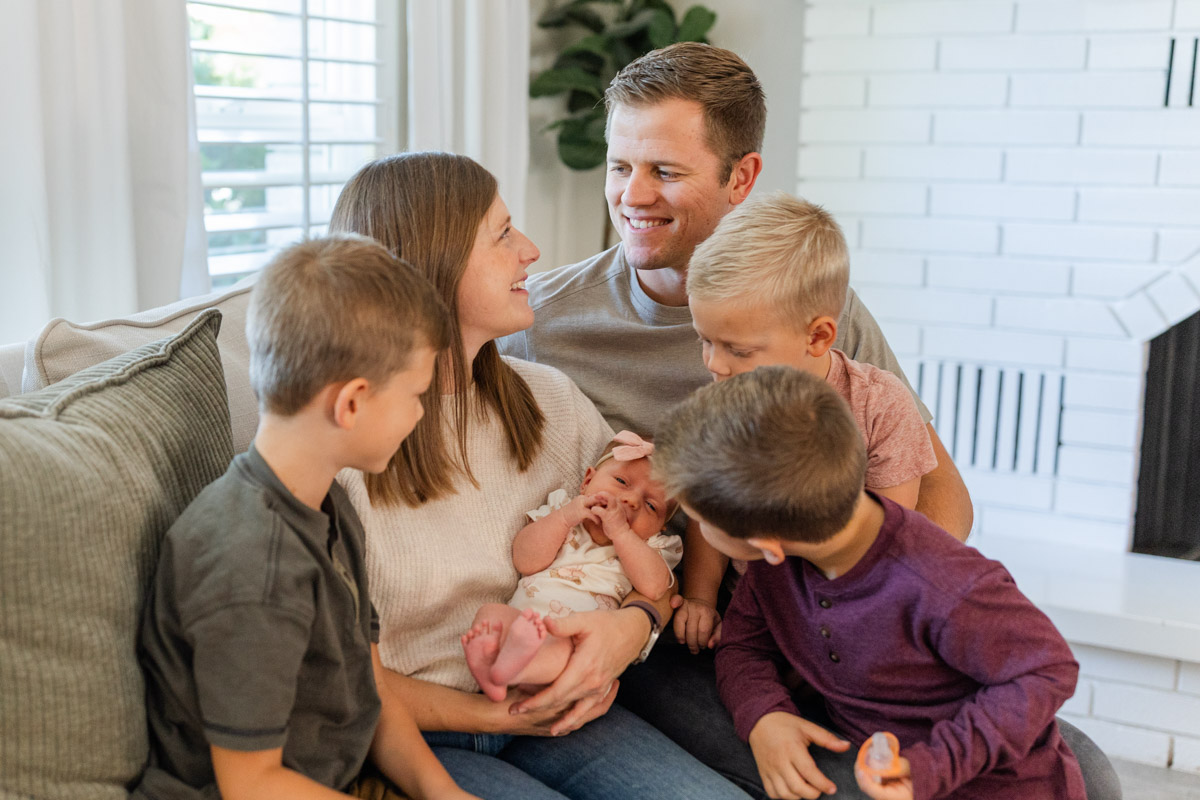
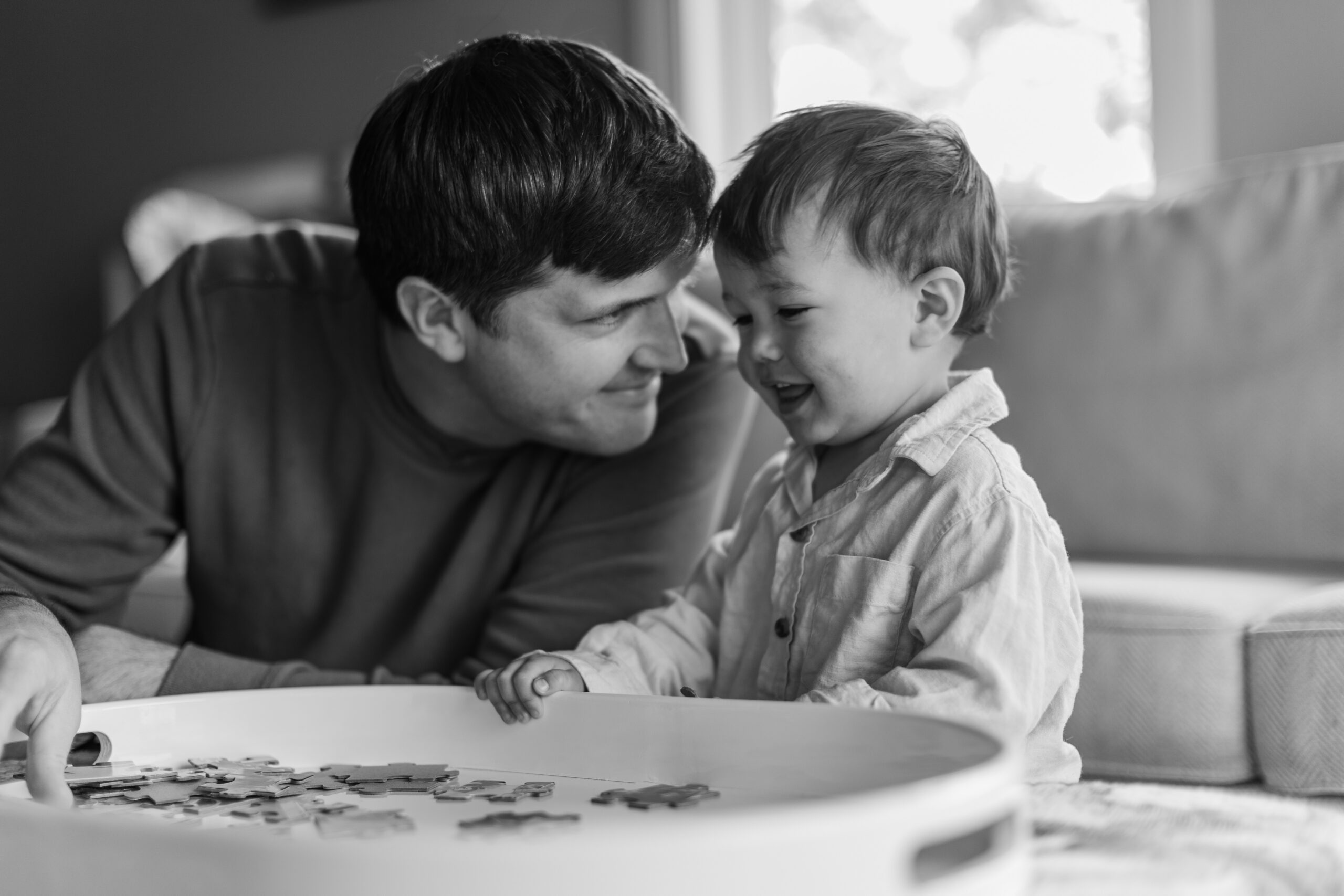
There’s a lot that goes on after a photo session! Most family sessions result in hundreds of photos being taken. So naturally, one of the most common questions photographers get is, “What happens to all the images?” In this blog we will deep dive what happens after a photo session including culling, editing, and final curation.
What is Culling?
Culling Is More Than Deleting “Bad” Photos
During your session, I’m constantly shooting through movement, changing expressions, kids running, hair blowing in the wind, shifting light, blinking eyes, and tiny moments that change in a fraction of a second.
This means I often take multiple versions of the same setup intentionally.
This isn’t because I plan to deliver every single frame, but because photographing families (especially families with young kids) moves FAST.
Culling is the process of carefully reviewing all of those images and selecting the strongest ones based on:
- expressions
- emotion
- connection
- focus
- body positioning
- composition
- storytelling
- overall feel of the image
My goal isn’t to deliver the most photos possible.
My goal is to deliver the strongest, most meaningful collection of images possible.
What I’m Looking For When Choosing Images?
When I’m narrowing down a gallery, I’m looking at a lot more than whether someone is smiling. I’m paying attention to things like:
- Are everyone’s face visible?
- Are eyes open?
- Is the image sharp and in focus?
- Is hair blowing across someone’s face?
- Is someone mid-expression?
- Does the image feel connected emotionally?
- Is the body positioning flattering?
Sometimes one person looks amazing in a photo, but three other people are blinking or there’s hair covering someones face, or maybe the moment is tender but the image is out of focus.
Large Family Portrait
Large family photos are one of the best examples of why culling matters.
With big groups, it’s incredibly rare to get every single person perfectly posed, smiling, looking at the camera, AND standing still all at the same time, especially when young kids are involved. I’ll show you a grouping of three photos that happened just seconds apart from a large family session and walk through which one I selected and delivered and why.
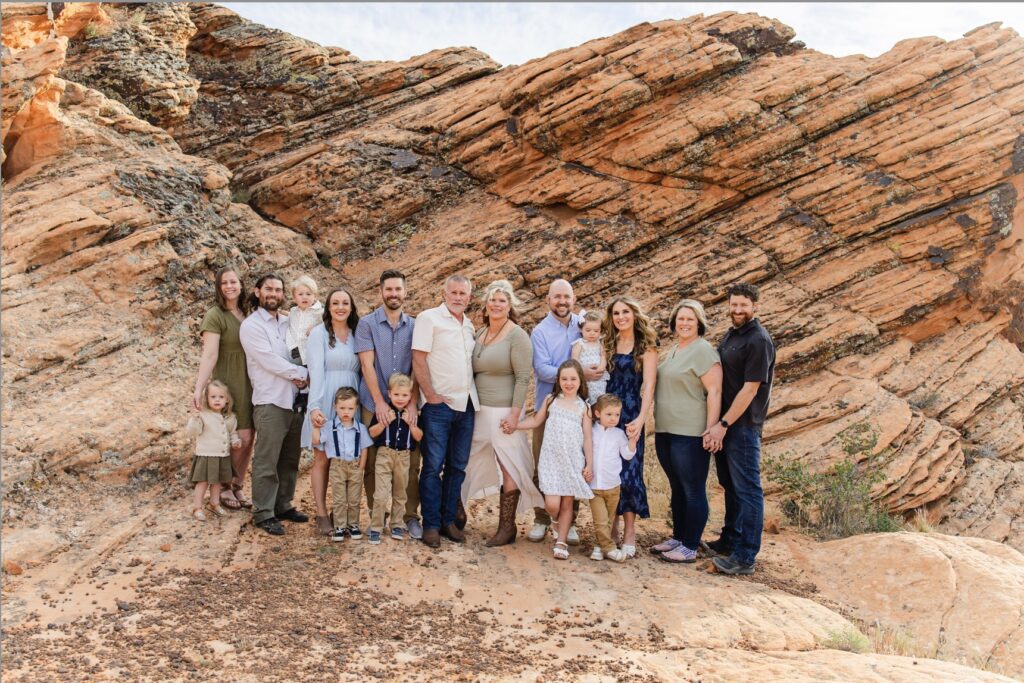
Image 1
Why this one wasn’t selected:
- A few expressions are weaker overall
- Some faces are slightly turned away
- Wind was not working in our favor
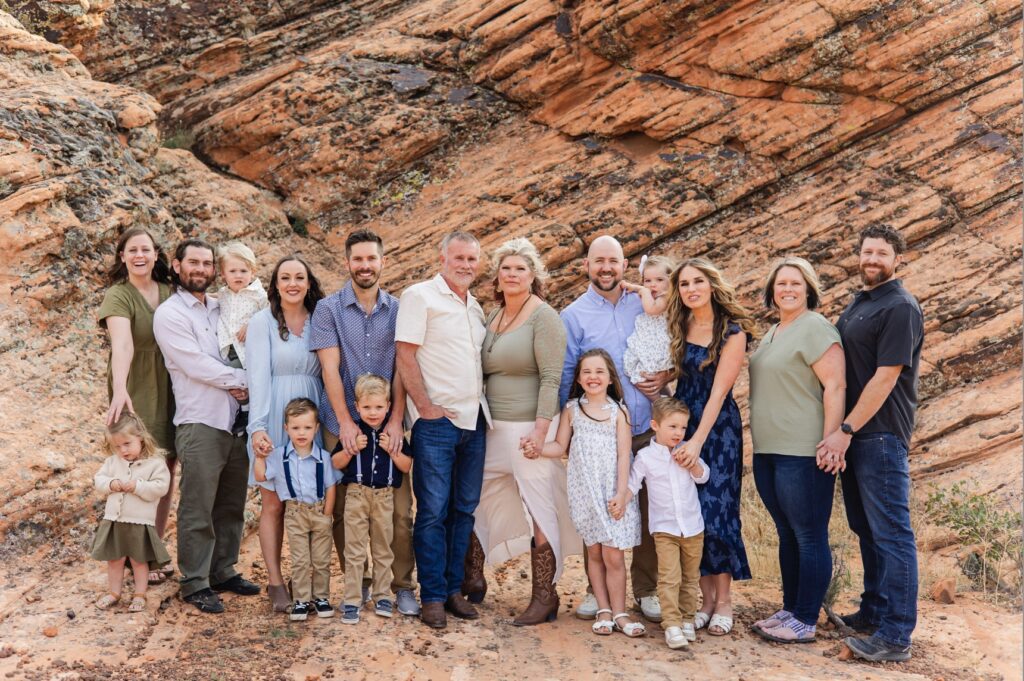
Image 2
Why this one wasn’t selected:
- Wind and movement became more distracting
- Some kids are looking away
- Some eyes are closed
- A few people are mid-expression
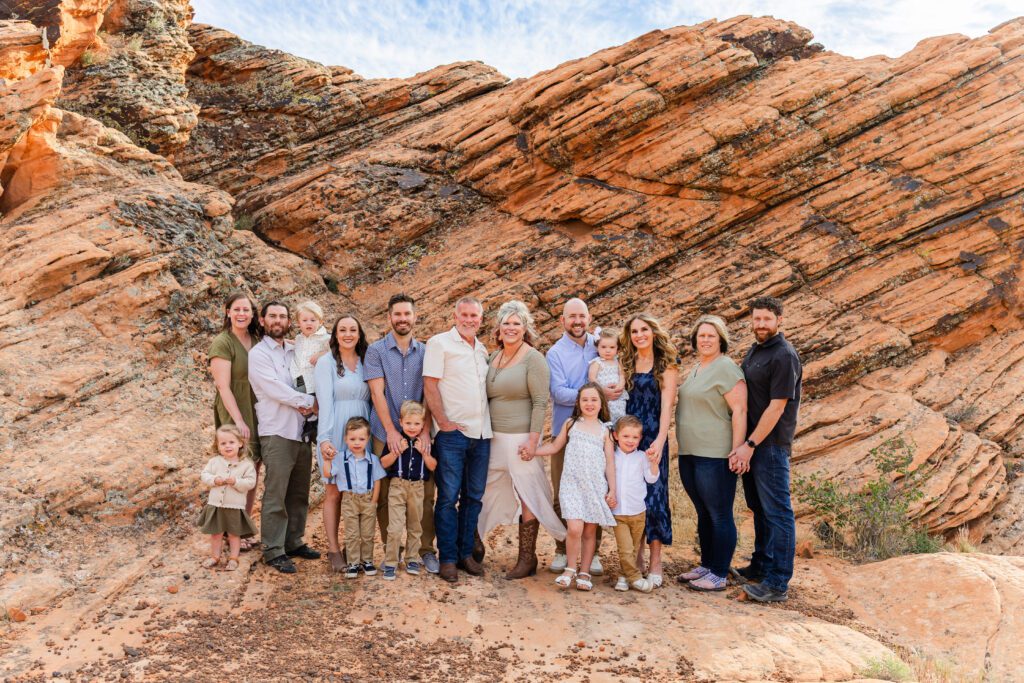
Image 3: Final Selected Image
Why this became the final image:
- Strongest overall expressions across the group
- Best balance of emotion and technical quality
- Cleanest composition
- Most cohesive energy as a whole
- The image feels connected, polished, and natural
- I also did some additional editing so that the grandma’s bangs weren’t swept away in the wind.
Real Example #2: Candids Aren’t As Simple As They Look
One of my favorite things to photograph during family sessions is the in-between laughs, movement, hugs, and little moments that feel real. What we would probably refer to as “candid” moments.
But candid photos still need to meet technical standards to make the final gallery (and there are lots of in-between moments that can also not be super flattering, it’s just the nature of being human.)
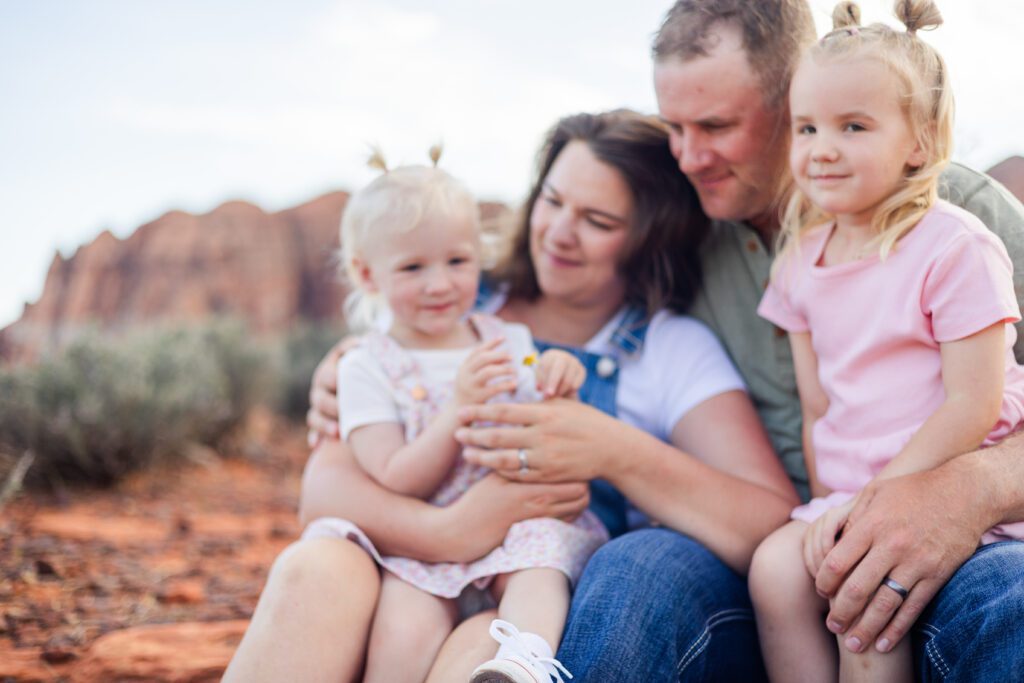
Image 1
Why this one wasn’t selected:
- Image is out of focus and blurry
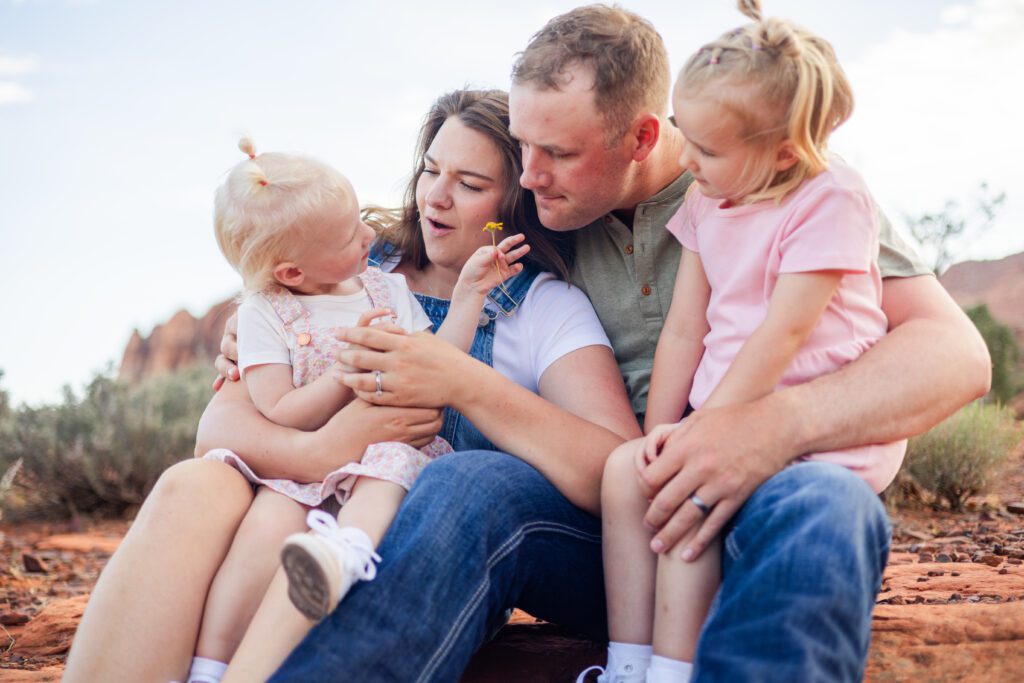
Image 2
Why this one wasn’t selected:
- Mom and dad’s faces are not the most flattering
- Feels like the moment hasn’t come to a peak it’s just happening
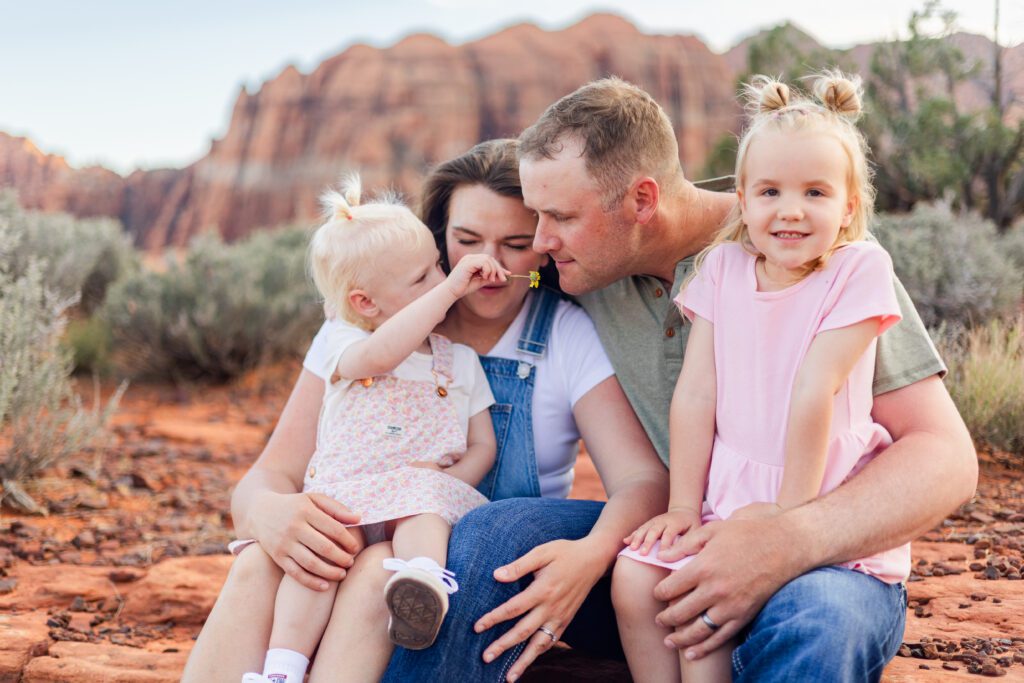
Final Selected Candid
Why this one made the final gallery:
- Sharp focus
- Genuine connection
- Natural movement
- Cute moment between dad and little girl and the oldest girl was looking at the camera (looking at the camera wasn’t the goal here, but it happened naturally and created a nice image with lots of layers)
- Emotion AND technical quality came together
Candid doesn’t mean random or just all the in-between moments. The strongest candid images still require timing, focus, composition, and connection all working together at once.
Real Example #3: Photographing Kids Happens FAST
If you’ve ever had family photos taken with toddlers, you already know things can change VERY quickly.
Kids move constantly. Expressions change in a split second. Sometimes the difference between “frame deleted” and “frame delivered” is about 0.2 seconds.
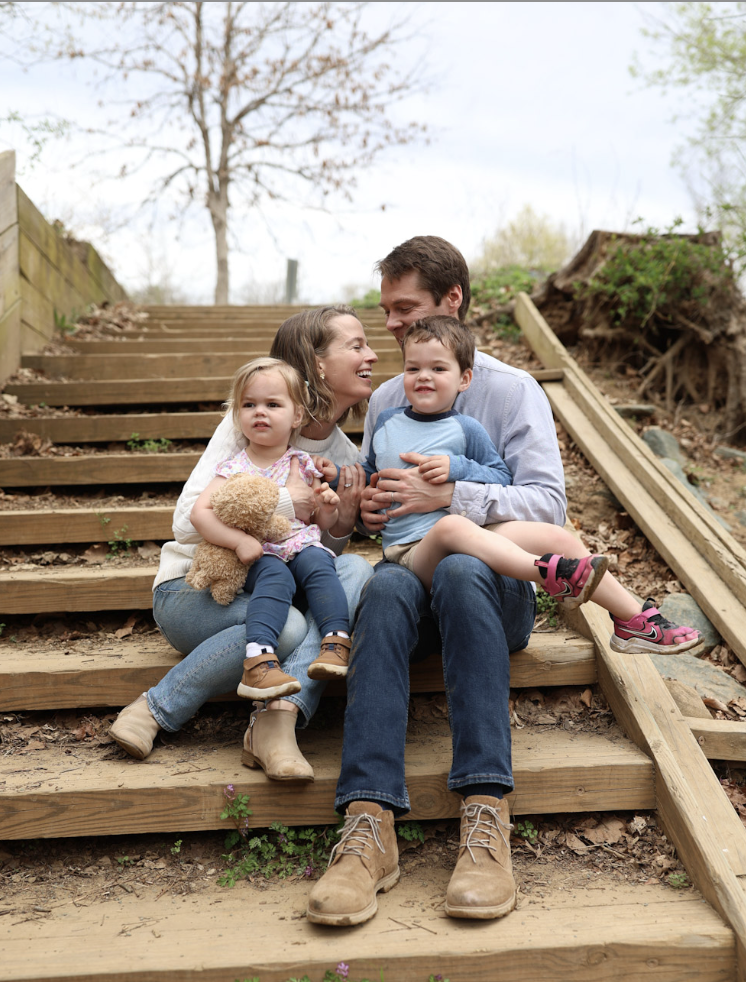
Image 1
Why this one wasn’t selected:
- Both kids are looking, but the moment hasn’t quite arrived. There’s a moment almost happening, but not quite
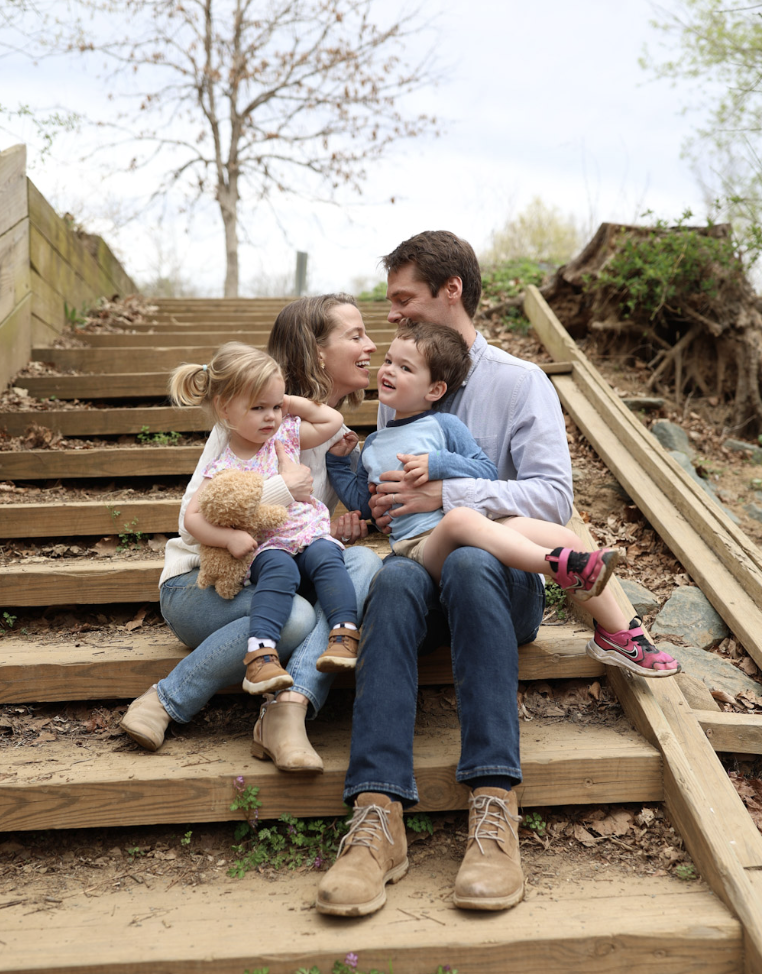
Image 2
Why this one wasn’t selected:
- Again, kind of in-between
- Little girl is mid-movement
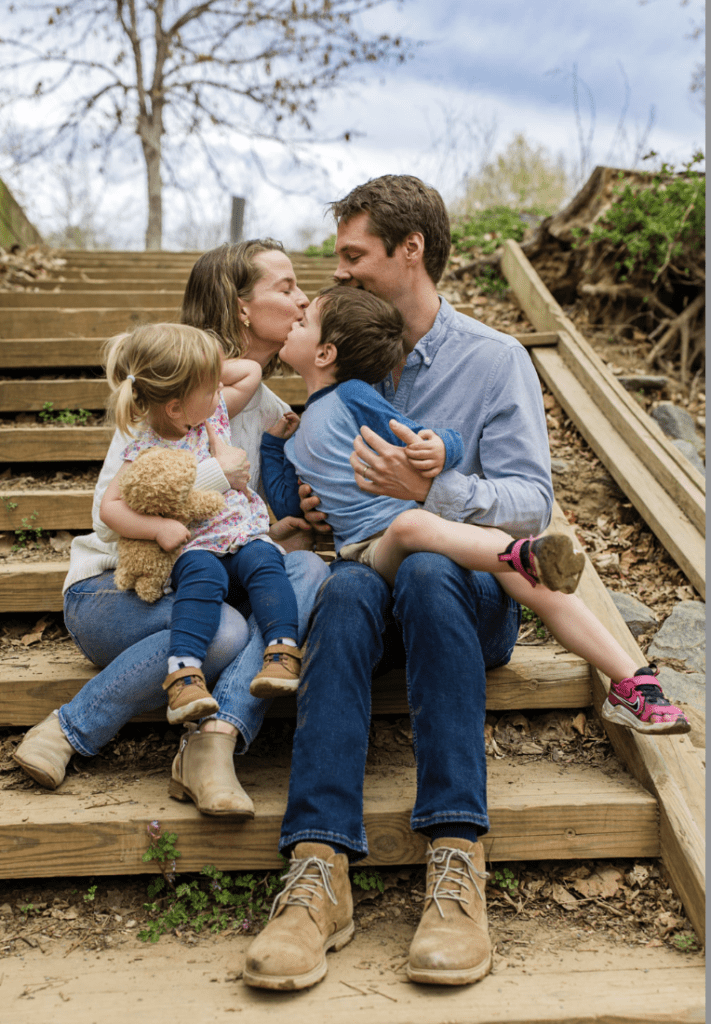
Image 3: Final Selected Image
Why this one made the final gallery:
- Sharp focus
- Genuine connection between mom and boy
- Natural movement
- The moment “arrived”
- Everyone is looking towards the action that naturally happened
Photographing children is fast-paced, unpredictable, and that’s what makes it so much fun! The final gallery is the result of carefully selecting the moments where everything came together beautifully, not every little moment leading up to it.
What Happens After Culling?
Once the gallery is narrowed down, the editing process begins. This part is often invisible to clients, but it takes hours of detailed work behind the scenes.
This can include:
- color correction
- skin tone adjustments
- cropping and straightening
- removing distractions
- adjusting lighting
- subtle retouching
- hair fixes
- face swaps in group images when necessary
- creating consistency across the gallery
The goal is always to create a gallery that feels polished, cohesive, and true to your family.
Why are there not photos of every “pose” or “moment”?
Sometimes at sessions, after I know we have a really strong variety of images, I will often “try” something. This can be a new position, angle, prompt, etc. Sometimes it is fun and it works, and other times it just doesn’t. I’ll share a few examples below.
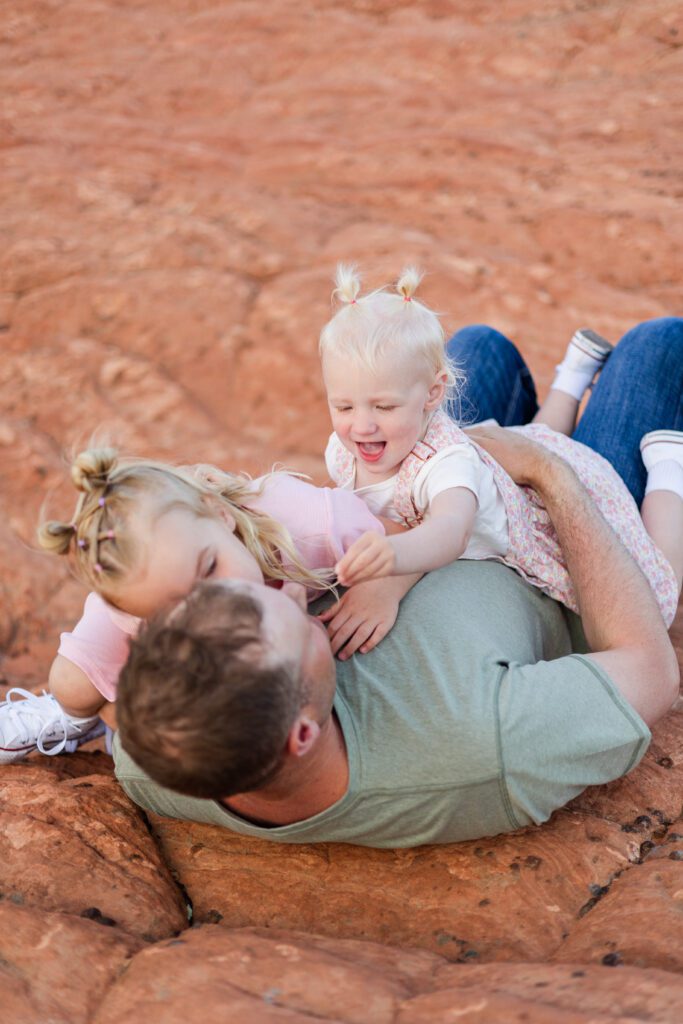
I tried to do a dog pile on dad and it just didn’t quite go as planned. This image isn’t “bad”, but it’s just not very strong. This feels more in-between than something intentional.
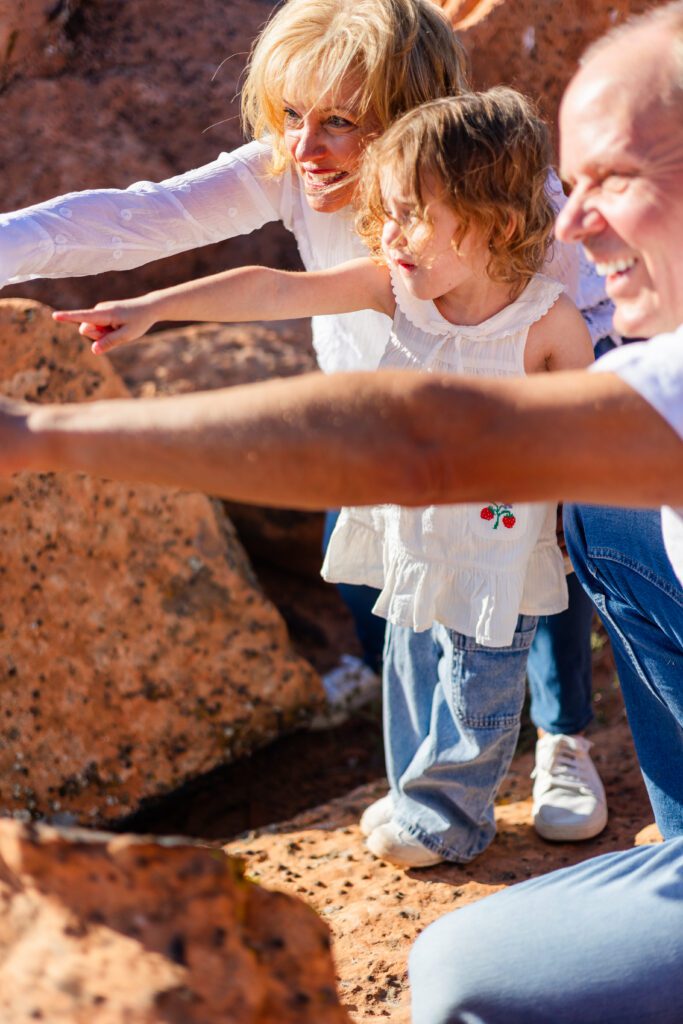
They were all pointing at something, and while it was cute it was also at the edge of a cliff and I just couldn’t get a good angle (without falling off the cliff). Again, just not a very strong image.
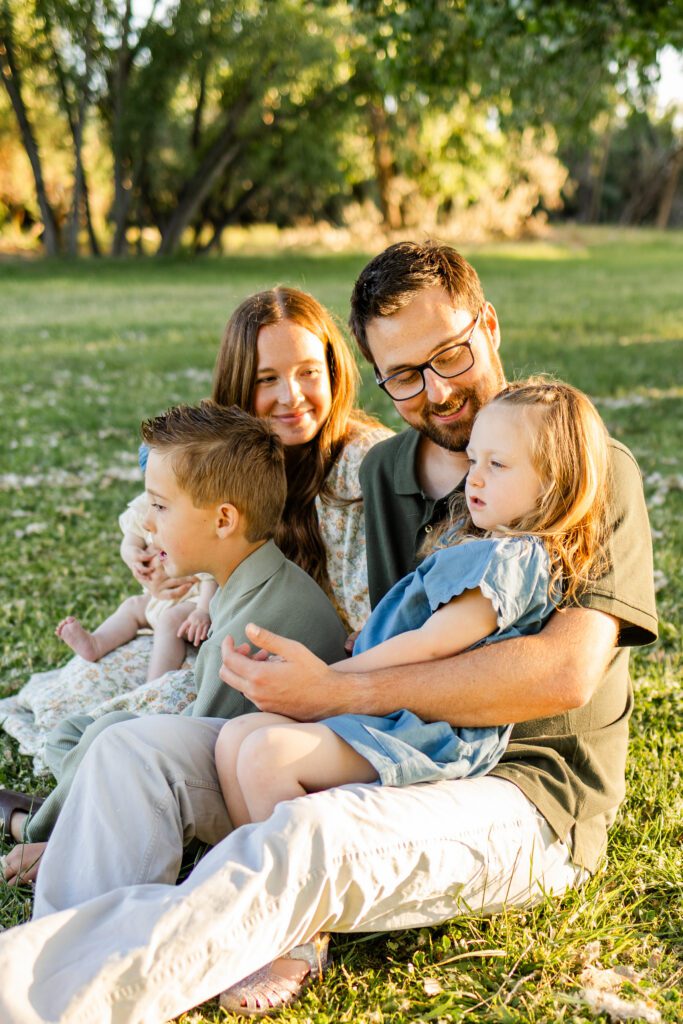
Image 3: The little boy in this family was having a hard time so I tried to come from a different angle and it just didn’t quite get there. The expressions and angle didn’t create something very strong.
While I could have added these images to the gallery, they would’ve been distracting to other much stronger, more intentional images.
Why I Curate Your Gallery
At the end of the day, I want your gallery to feel intentional not overwhelming.
I want you to scroll through your images and feel connected to them, not exhausted trying to sort through 700 nearly identical photos wondering which one is “best.” Your final gallery is carefully curated to include the strongest images that best showcase your family, connection, and this season of life.
One thing I always want my clients to know is this: if there’s a strong image from your session, I want you to have it.
I’m not sitting on a folder of amazing hidden photos that I don’t want to share. My goal is never to keep images from you, it’s to carefully narrow things down so your gallery includes the strongest versions of your moments together.
Thank you for trusting me with your memories. It’s truly an honor every single time.